 Deva&The Dragon
The Independent Guide to Chester & Wrexham
Deva&The DragonThe Independent Guide to Chester & Wrexham
 Deva & The Dragon
Two thousand years on the border between England and Wales: Roman legions, Saxon kings, Norman castles, a civil war siege, an engineering wonder and the world’s most famous small football club. Each moment links to somewhere you can still visit.

 Listen · Podcast · 19 minTwo Thousand Years Between Chester & Wrexham ▶
The Romans built one of the biggest fortresses in Britain beside the Dee, and named it after the river.
Lead pipes suggest building was under way by about AD 74. At about 25 hectares, it was the largest fortress built in Britain in that decade.
Legio XX Valeria Victrix took over Deva and rebuilt it in stone. The fortress walls became the base of the city walls you can still walk today.
Chester’s stone amphitheatre held an estimated 8,000 to 10,000 people. It is the largest military amphitheatre known in Britain, and half of it is open to visit for free.

After the Romans left, the Dee became a frontier between English kingdoms and the Welsh.
King Æthelfrith of Northumbria defeated the Welsh near Chester, a turning point in separating the Welsh from the Britons of the north.
King Offa of Mercia built his great earthwork along the border. Stretches survive near Chirk, and the Offa’s Dyke Path still crosses the Ceiriog valley.
The old Roman walls were repaired and brought back into use to defend the new burh against Viking raids.
According to tradition, Edgar was rowed along the river by eight lesser kings, a show of his power over Britain.

Chester became the base for wars against Wales, and its unique two-tier shopping streets took shape.
Chester was one of the last English towns to fall. The Normans built a castle by the river.
The Benedictine abbey grew into Chester Cathedral.
Chester’s two-level covered galleries of shops date mainly from the 13th and 14th centuries. Nothing quite like them survives anywhere else.
After Edward I’s conquest of Wales, Roger Mortimer began Chirk Castle to guard the border. It was completed in 1310 and is still lived in.
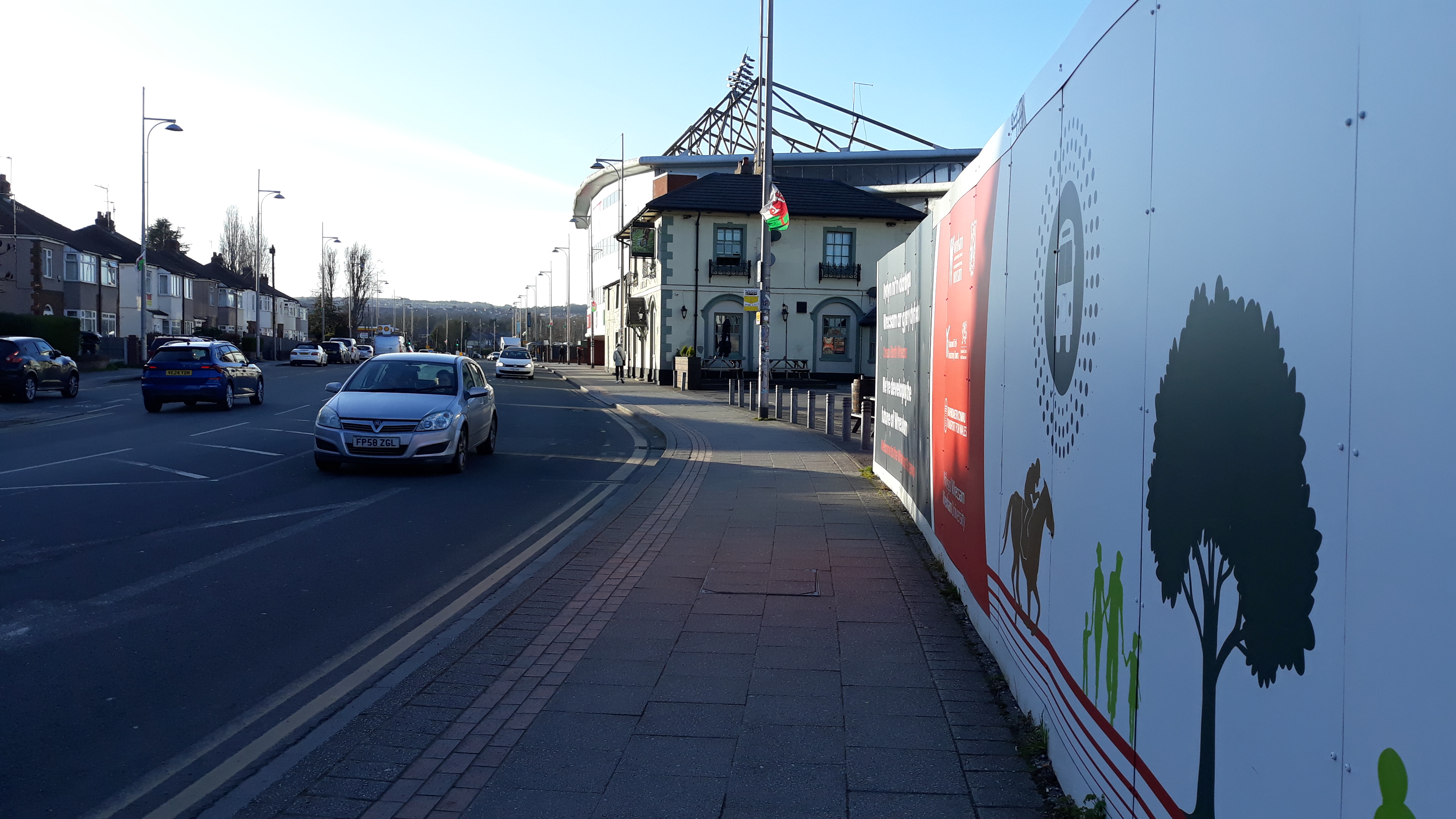
Horse racing, the Reformation and the Civil War all left their mark on the border.
The tower is one of the traditional Seven Wonders of Wales, the “Wrexham steeple” of the old rhyme.
Chester Racecourse is recognised as the oldest racecourse still in use in the world.
Henry VIII made the old abbey church the cathedral of the new diocese of Chester.
Chester held out for the King. Charles I is said to have watched his army’s defeat at Rowton Heath from the walls in September 1645. The city surrendered in February 1646.
The house near Wrexham was built for Joshua Edisbury. The Yorke family owned it from 1733 until they gave it to the National Trust in 1973.

Canals and bridges brought new trade, and new wonders, to the Dee.
The benefactor of Yale University lies in St Giles’ churchyard. A tower at Yale is modelled on St Giles’.
Thomas Telford and William Jessop carried the canal 38 metres above the Dee on iron troughs and stone pillars.
When it opened, it was the longest single-span stone arch bridge in the world, a record it held for about 30 years.
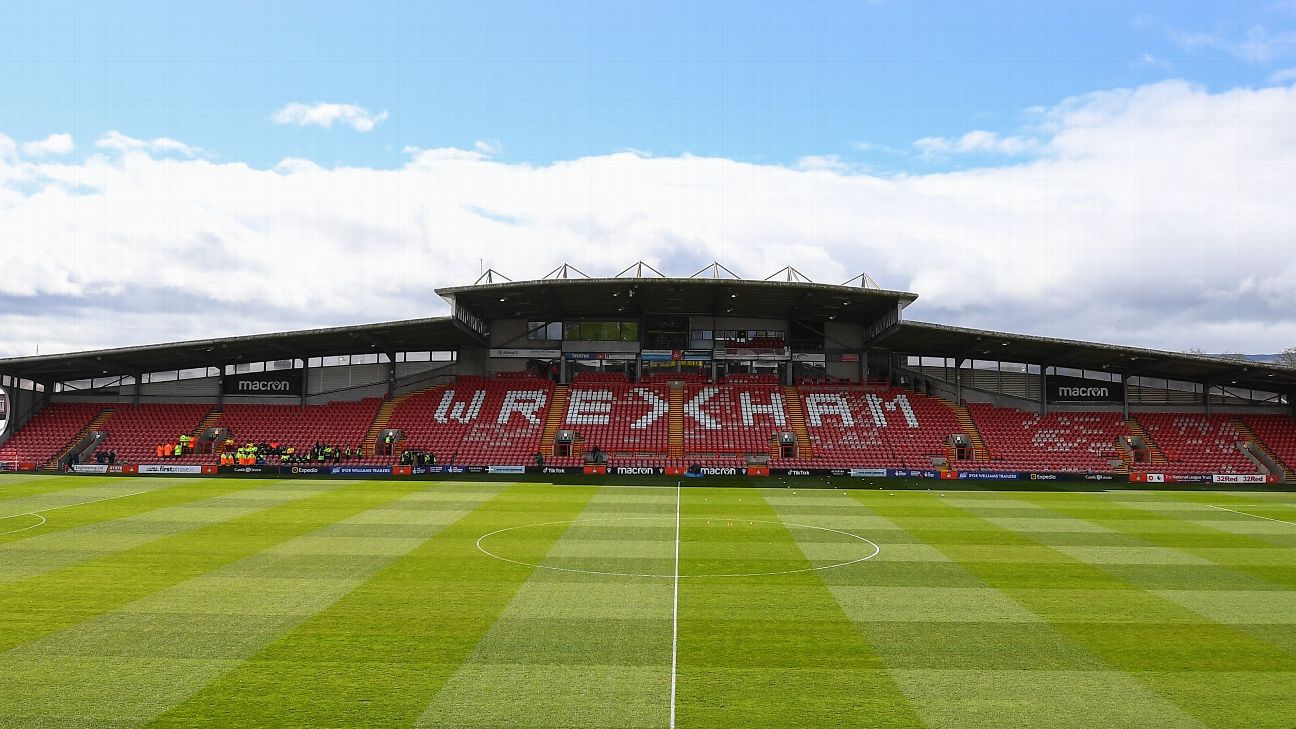
Wrexham grew fast on coal, iron and brewing, and found a new passion.
The club was formed at the Turf Hotel, making it the oldest club in Wales.
Wales played Scotland at the Racecourse Ground, now recognised as the oldest international football stadium in the world still in use.
German immigrants set up the town’s first lager brewery in 1881, and began brewing in 1882. The brand was revived in 2011.
Chester’s football club was founded. It was wound up in 2010, and fans formed Chester FC the same year.
The clock over the Eastgate marks Queen Victoria’s Diamond Jubilee, and was put up in 1899. It’s now one of the most photographed clocks in Britain.

A mining disaster scarred Wrexham, while Chester gained one of Britain’s best-loved attractions.
George Mottershead opened his “zoo without bars”, which has grown into one of the UK’s most visited attractions.
An explosion at Gresford Colliery on 22 September killed 266 men. A memorial stands near the site.
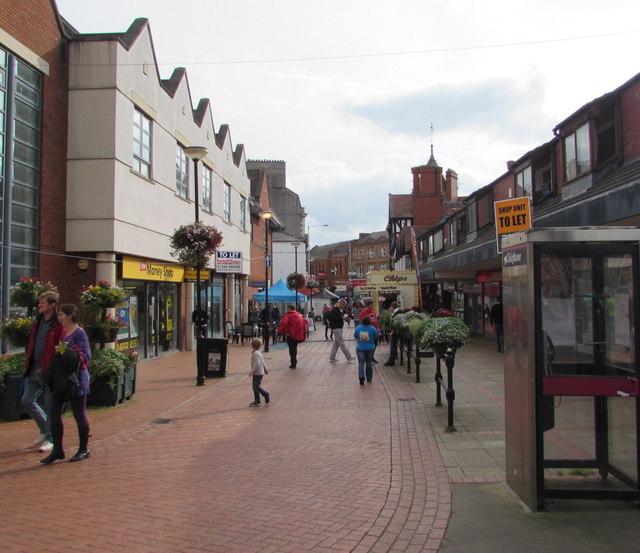
The border is now known worldwide, for a canal and a football club.
The Pontcysyllte Aqueduct and 11 miles of canal were named a UNESCO World Heritage Site.
Chester’s old Odeon became a theatre, cinema and library.
Rob McElhenney and Ryan Reynolds bought Wrexham AFC, and Welcome to Wrexham made the town famous.
Wrexham was granted city status for the Queen’s Platinum Jubilee.
Wrexham rose from the National League to the Championship.

Oldest racecourse, oldest international ground, and more surprises.
The story of the border, told as one story.
Decade by decade, from 1864 to the Championship.
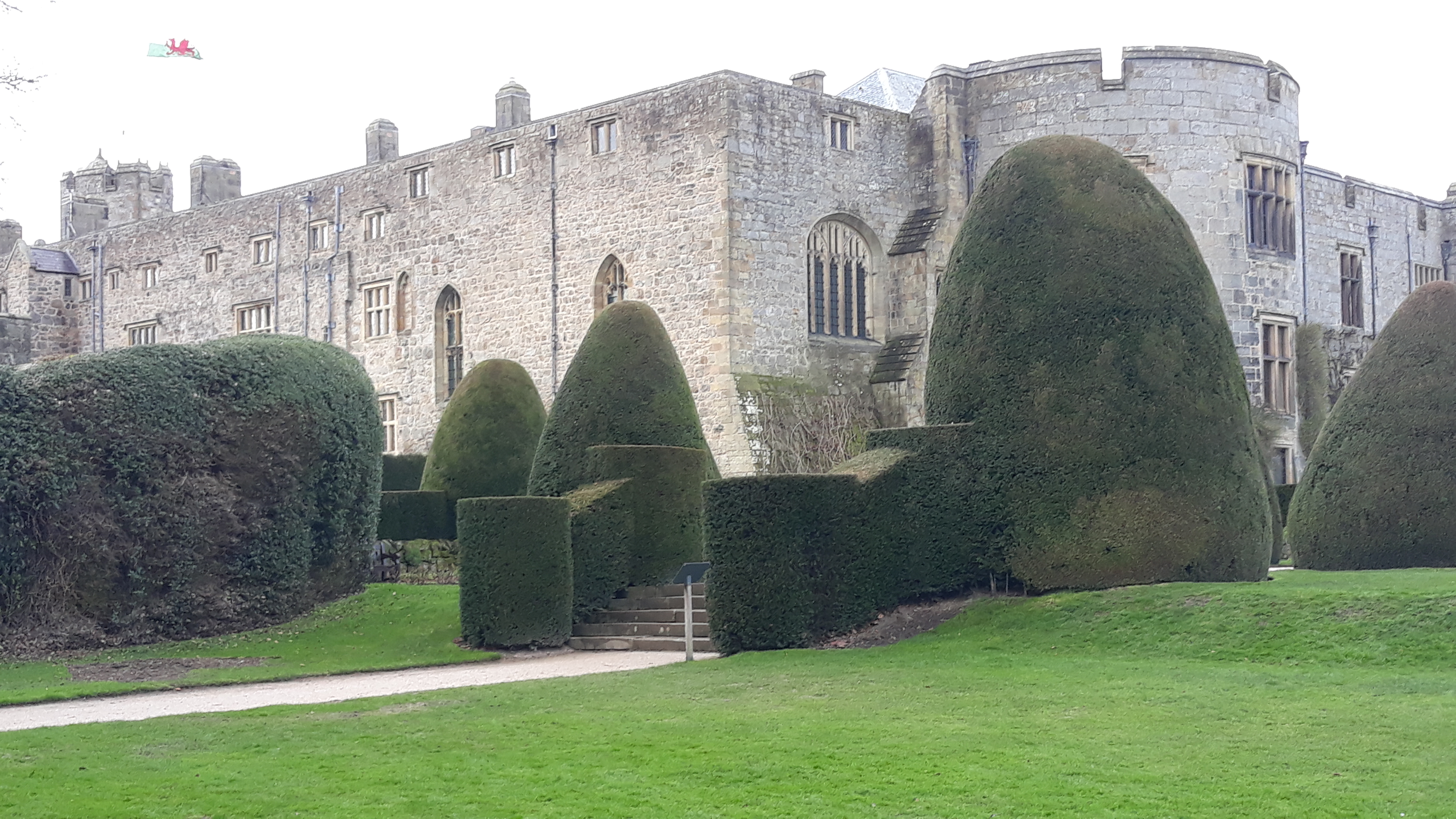
Chirk and Erddig in a day.
The walls, the Amphitheatre and the museum.
The eight sights you shouldn’t miss.
Sources include Cheshire West and Chester Council, Chester Racecourse, the National Trust, Cadw, UNESCO, Wrexham AFC and Wikipedia’s articles on Deva Victrix, St Giles’ Church, Grosvenor Bridge and Wrexham Lager, checked 18 November 2026. Spotted a mistake? See our corrections policy. Links marked "Affiliate link" may earn us a commission at no extra cost to you.