Book Visit ↗
A grand country house facade in late afternoon light surrounded by parkland
🌿 National Trust · Wrexham · Wales

National Trust
Erddig

★★★★★ A 17th-century country house · 1,200-acre estate · Grade I listed · 2 miles south of Wrexham

🌿 Gardens 🌳 Parkland 🏛️ Historic House 🎨 Art Collection 👨‍👩‍👧 Family Friendly 🐕 Dogs Welcome 🍽️ Café & Restaurant

About Erddig

Nestled on a dramatic escarpment above the winding River Clywedog, just two miles south of Wrexham city centre, Erddig is one of the most remarkable and beguiling historic estates in Britain. A late 17th-century country house surrounded by 1,200 acres of landscaped parkland, it tells a story unlike anywhere else in the National Trust's care — not just the story of a wealthy Welsh gentry family, but of the servants, craftspeople and estate workers who kept it alive for nearly three centuries.

What makes Erddig truly special is its extraordinary completeness. The house was handed to the National Trust in 1973 in a state of near-ruin following decades of deliberate under-maintenance by its reclusive last squire — and yet inside, almost nothing had been thrown away. Every piece of original furniture remained in the room it was made for. The kitchens, laundries, stables, smithy, joiners' shop, and saw mill were all intact. Erddig is Britain's finest time capsule.

"What makes it special is that it's such a complete country house. Upstairs, the interiors are filled with furnishings by some of the finest makers in the 1720s — they were made for the house and are still here, having been nowhere else."

— Susanne Gronnow, Erddig Property Curator

Above all, Erddig is celebrated for a tradition unique in British history: the Yorke family's extraordinary habit of commissioning portraits, photographs and poems celebrating their household servants. Over nearly 200 years, gardeners, blacksmiths, coachmen, housemaids and cooks were painted, photographed and commemorated in verse — creating an unmatched archive of domestic life that has earned Erddig the nickname "the Welsh Downton Abbey." Ten of these portraits hang today in the Servants' Hall precisely as they did when first commissioned.

What to See & Do

Historic country house interior with period furniture
🏛️ The House
Below Stairs & Above Stairs
Begin your tour in the outbuildings and servant spaces — kitchen, laundry, bakehouse, smithy — before ascending to the grand state rooms furnished with original 1720s pieces, Chinese wallpaper and the incomparable collection of servants' portraits.
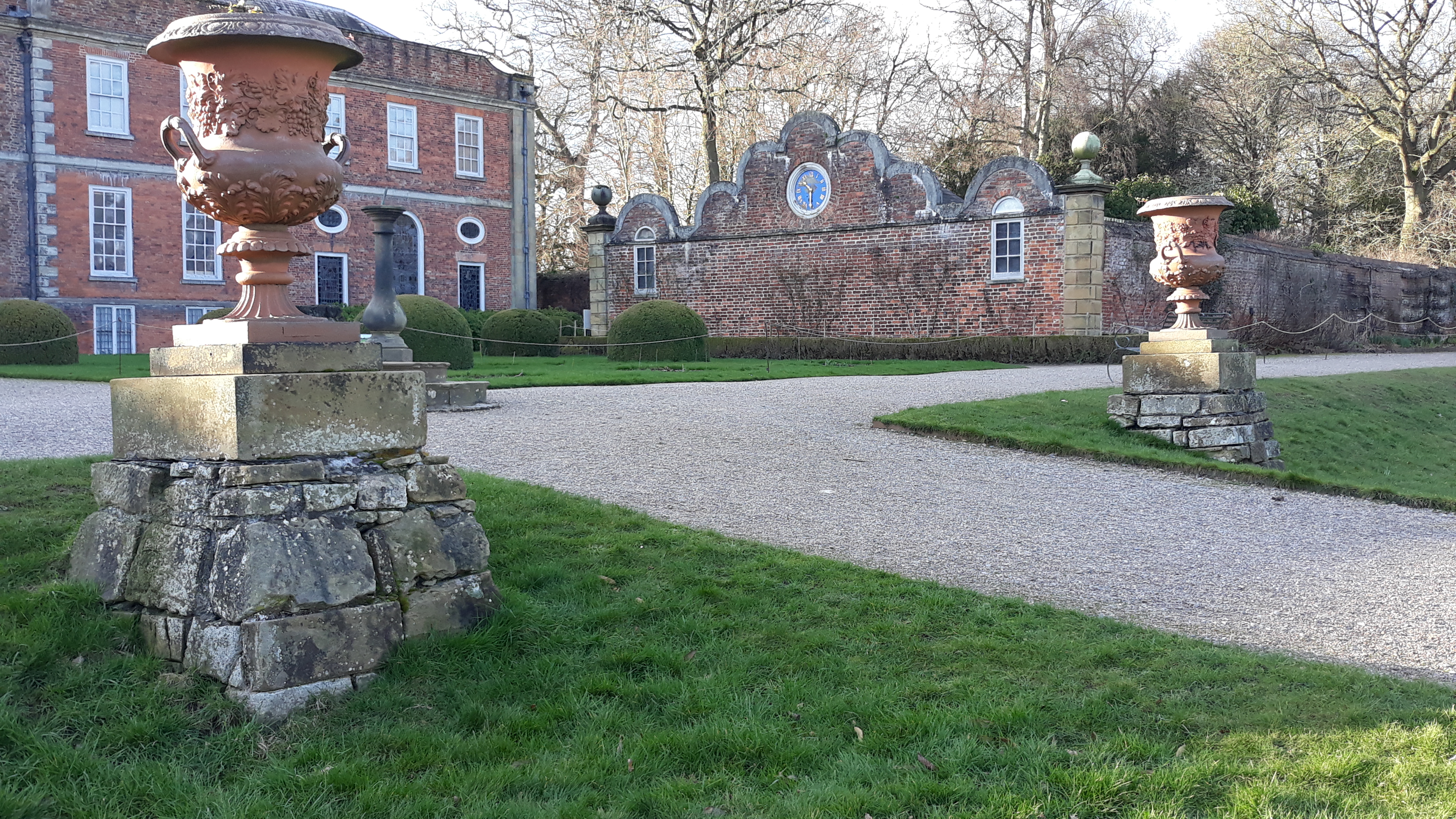
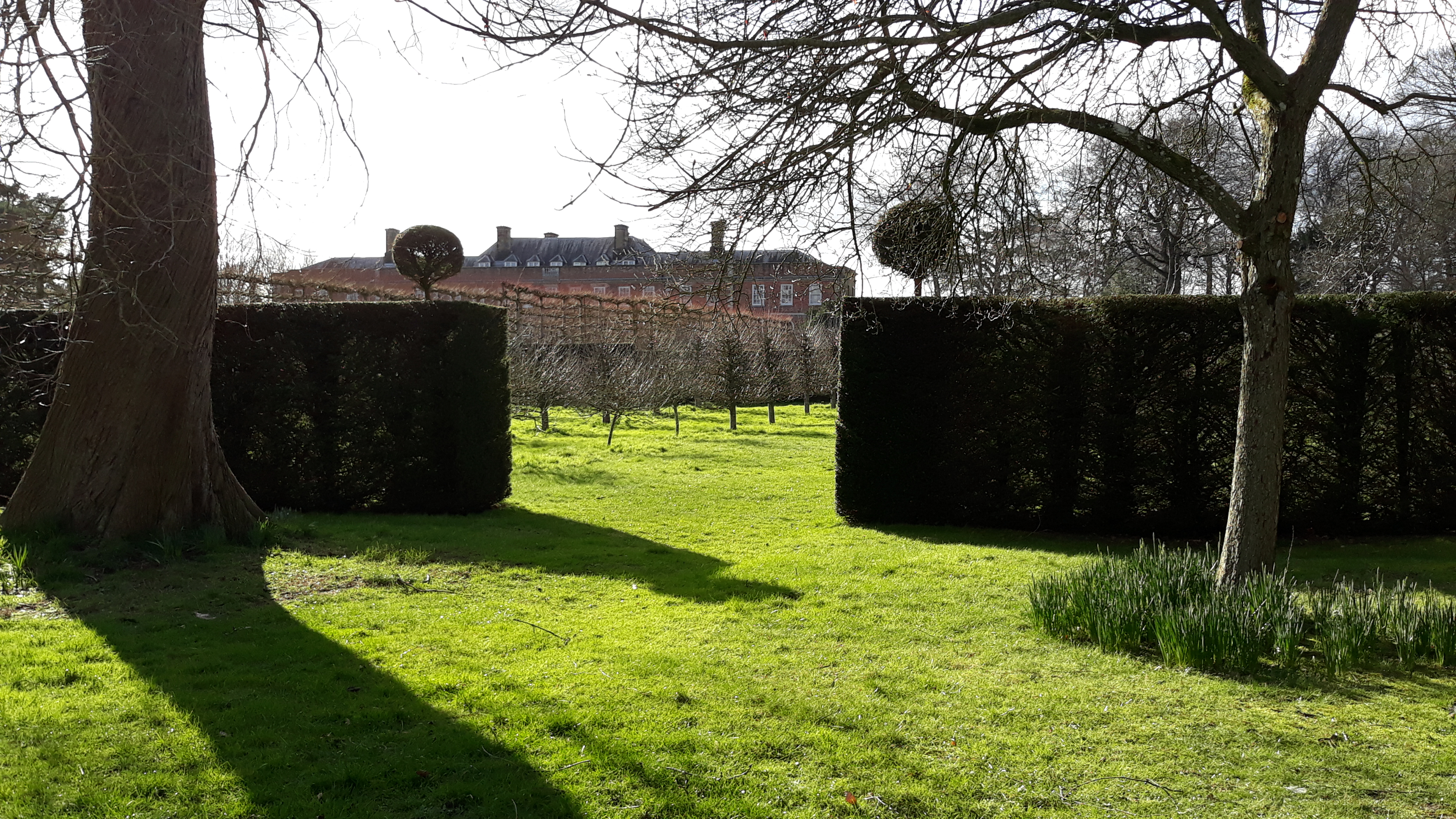
Formal walled garden with trained fruit trees and hedges
🌸 The Walled Garden
Grade I 18th-Century Formal Garden
One of the finest and most complete 18th-century walled gardens in Britain. Trained fruit trees, herbaceous borders, avenues of pleached limes, Victorian parterre, a long canal, and a national collection of over 180 ivy varieties.
Wooded parkland with river valley and open meadows
🌳 The Parkland
1,200 Acres of William Emes Landscape
Explore waymarked trails through meadows, woodland and along the River Clywedog. Discover the 'Cup and Saucer' water cascade, the earthworks of a Norman motte-and-bailey castle, and ancient sections of Wat's Dyke.
Historic working kitchen with period equipment and copper pans
🔨 The Estate Buildings
Joiners' Shop, Stables & Smithy
Unique among National Trust properties, Erddig preserves its entire working estate infrastructure. The joiners' shop, smithy, stables, saw mill, tack room, and cart sheds all survive, complete with original tools and equipment.
✦ Collector's Note

One of the Largest NT Collections in Britain

Erddig holds one of the largest collections of objects within the entire National Trust — over 30,000 items in total. The National Trust has accredited Erddig as a museum in its own right. Items range from rare 1720s japanned furniture and Chinese silk hangings to an original Bevington pipe organ, vintage bicycles, and the extraordinary archive of servants' portraits and correspondence.

Wrexham city centre

The Story of Erddig

Few properties in the National Trust's care carry a history as layered, unusual, and ultimately triumphant as Erddig. From its origins as an ambitious merchant's vanity project, through nearly 250 years of Yorke family stewardship, to its dramatic rescue from near-ruin in the 1970s, Erddig's story is one of Wales's great heritage narratives.

1682–1689
The Foundation: Joshua Edisbury
Joshua Edisbury, appointed High Sheriff of Denbighshire in 1682, commissioned Cheshire-born freemason Thomas Webb to design a new country house on his Erddig estate. Work began in 1684, but costs quickly spiralled to over £8,000 — an enormous sum. The central block was completed between 1684 and 1687, a handsome red-brick house above the Clywedog valley. Edisbury's financial overreach proved fatal; by 1709 he was bankrupt, and in 1714 he was forced to sell.
1714–1733
John Meller's Transformation
Master in Chancery John Meller purchased Erddig and set about transforming it into a house of genuine distinction. He added two matching wings to the central block in the early 1720s, creating the long, elegant red-brick east façade that visitors still see today. Each room led directly into the next, with aligned doors so that — when all were open — you could look through the entire length of the house. Meller filled Erddig with an exceptional collection of furniture: silvered chairs, japanned cabinets, Chinese silk, gilded mirrors and tapestries from the Soho Manufactory. He died in 1733 unmarried and childless.
1733 onwards
The Yorke Dynasty
Meller bequeathed Erddig to his nephew Simon Yorke, beginning an unbroken family ownership that would last 240 years — every heir named either Simon or Philip. Philip Yorke I (1743–1804) was a scholar of Welsh genealogy, publishing The Royal Tribes of Wales in 1799, and commissioning the first portraits of household servants — a tradition that would continue for 130 years. In 1771 he encased the western entrance front in ashlar stone, giving it the appearance we see today.
1790s–1920s
The Servant Portrait Tradition
In the 1790s, Philip Yorke I commissioned Denbighshire artist John Walters to paint seven household staff — a gamekeeper, blacksmith, housemaid, coachman and others — displayed in the Servants' Hall with descriptive verses. The coachman's portrait is one of only a handful of surviving 18th-century British portraits of a person of colour. Successive generations of Yorkes continued and extended the tradition through photography, creating what is today a uniquely complete archive of domestic service in a British country house — spanning nearly 200 years.
1922–1973
Decline & Deliberate Neglect
Following the death of Philip Yorke II in 1922, Erddig began its long, slow decline. His successor Simon Yorke IV — and later the last squire, Philip Scott Yorke — progressively reduced staff, let estate buildings fall derelict and refused to install mains electricity, running water, gas or telephone. Philip relied on a portable generator to power a single television set. Whilst devastating in some respects, this period of suspended animation ensured Erddig remained almost entirely unaltered — a frozen moment in time. In March 1973, Philip Yorke gave Erddig to the National Trust.
1973–1977
Rescue & Restoration
Erddig was in a desperate state. Subsidence from coal mining had caused the house to sink by nearly five feet, the roof leaked, and the gardens were entirely overgrown. The National Trust extracted £120,000 compensation from the National Coal Board and sold 63 acres of parkland for £995,000 to fund the restoration. The project is considered one of the National Trust's greatest conservation achievements. On 27 June 1977, Prince Charles officially opened Erddig to the public, joking it was the first time he had opened something already 300 years old.
Today
A Living Estate
Erddig today is a vibrant, much-loved property visited by hundreds of thousands of people each year. In 2003 it was voted Britain's Second Finest Stately Home by Channel 5 viewers; in 2007 it was named the UK's Favourite Historic House. A team of conservators and volunteers cares for its 30,000 objects, and tenant farmers continue working the estate as they have done for centuries. The walled garden has been fully restored to its 18th-century glory, and the parkland trails are open year-round.
Heritage Status
Listing
Grade I Listed Building
Listed Since
1952
National Trust Since
1973
Opened to Public
27 June 1977
Garden Listing
Grade I Registered Park & Garden
Museum Accreditation
Yes — accredited museum

Facilities & Admission Prices

Everything you need to know to plan a comfortable visit to Erddig.

Admission Prices

Visitor TypePriceNotes
Adult£16.00House, gardens, parkland, estate buildings
Child (5–17)£8.00Under 5s free
Family (2+2)£40.00Two adults and two children
National Trust MemberFREEValid membership card required
Parkland & EstateFREEFree access to wider parkland year-round
Garden only£10.00Adult · Child £5

Prices correct as of 2024/25. Always check the National Trust website before visiting for current pricing and advance booking requirements.

Opening Hours

AreaSeasonHours
The House26 Mar – 30 Oct12:30pm – 3:30pm
The House31 Oct – 25 Mar11:30am – 2:30pm
GardensYear-round10:00am – 5:00pm
Parkland & EstateYear-roundDawn to dusk (free)
Café & RestaurantDaily (seasonal)Check website for current times
ShopDailyDuring opening hours

On-Site Facilities

Café & Restaurant
Set within the historic outbuildings, Erddig's café serves hot food, light lunches and homemade cakes. A terrace with garden views makes it a lovely spot to linger. Every purchase supports the National Trust's conservation work.
🛍️
National Trust Shop
Browse a range of National Trust gifts, books, local produce, garden accessories, and Erddig-specific souvenirs. Open daily during normal opening hours.
🅿️
Car Parking
Free car park approximately 200 metres from the main entrance, accessed via a scenic rural drive through the estate. The parking area can fill quickly on peak summer weekends — arrive early.
🚻
Toilets
Public toilets and baby-changing facilities available. Accessible toilets provided. Note: toilet use is included in the paid admission — non-members should be aware that toilets are not separately free to access.
🐺
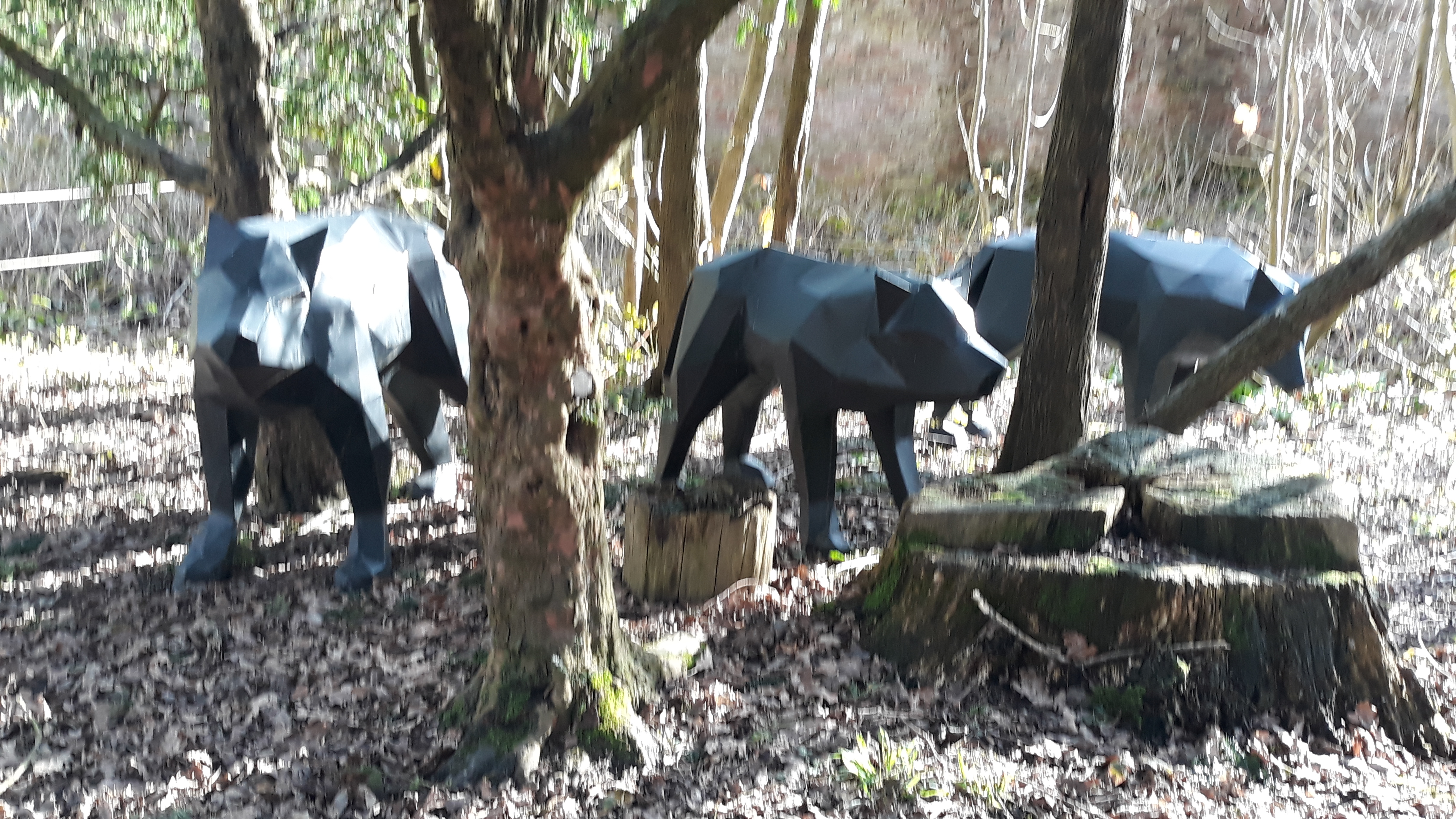
Wolf's Den Play Area
A large natural adventure play area in the grounds, designed to encourage outdoor exploration and play. Included in admission. Dogs are not permitted in the Wolf's Den.
🦽
Accessibility
The gardens and lower ground floor are fully accessible to wheelchair users. The house is a historic building and is not fully wheelchair accessible in all areas. Assistance dogs welcome everywhere. Please contact Erddig in advance for specific access requirements.

✅ Allowed at Erddig

  • Well-behaved dogs on leads (parkland & most areas)
  • Assistance dogs in all buildings
  • Picnics in the parkland and garden
  • Photography for personal use
  • Pushchairs and prams (ground floor)
  • Packed lunches (outdoor areas)

❌ Restrictions

  • Large bags and rucksacks in the house
  • Pens and pencils in the house (conservation)
  • Commercial photography without permission
  • Dogs in the Wolf's Den play area
  • Drones anywhere on the estate
  • Flash photography inside the house

Getting to Erddig

Erddig is located approximately 2 miles south of Wrexham city centre, off the A525/A5152 Wrexham–Whitchurch road.

directions_car By Car

From Wrexham City Centre (2 miles)
Head south on the A525 Whitchurch Road. Follow brown National Trust signs for Erddig. Turn into the estate via the signed entrance on Ruabon Road / Erddig Road.

From Chester (approx. 30 min / 14 miles)
Take the A483 south towards Wrexham, then follow signs for Erddig on the A525.

From the M54/A5 (North Wales / Midlands)
Join the A483 at Ruabon, follow Wrexham signs and then brown NT signs for Erddig.

Postcode for Sat Nav: LL13 0YT
Free car park approximately 200 yards from the main entrance.

train By Train & Bus

Wrexham Central Station is 1.7 miles from Erddig — a pleasant walk via the footpath on Erddig Road. Journey time on foot approximately 30 minutes.

Wrexham General Station is 1.9 miles — also walkable via Erddig Road.

Both stations are served by direct trains from Chester (approx. 15 minutes), Shrewsbury, and the Borderlands Line. Wrexham is also connected by trains from Cardiff and Manchester.

Bus: Public bus services operate from Wrexham Bus Station to the area around Erddig Road — check Traveline Cymru for current routes and timetables.

directions_walk On Foot & Cycling

Erddig is accessible on foot from Wrexham via the dedicated Erddig Road footpath — a peaceful 30-minute walk through the southern suburbs and into the estate.

The estate itself offers extensive waymarked walking trails: the Parkland Trail (circular, approx. 2.5 miles), the Eastern Woods Walk, and a longer circular route following the River Clywedog past the Cup and Saucer water feature and Norman castle earthworks.

Cyclists should note that cycling is not permitted within the formal gardens but is welcome on estate tracks and approach roads.

info Practical Notes

Parking: Free, open-air car park approximately 200m from the main entrance. Coaches welcome with advance notice.

First Aid: A first aid point including a defibrillator is located in the Main Office. Please contact the team in advance if group members have specific medical requirements.

Terrain: The estate features uneven ground and slopes. Light levels inside the house may be low for conservation reasons. Sturdy, comfortable footwear strongly recommended.

Address: National Trust Erddig, Wrexham, LL13 0YT
Tel: 01978 355314

Wrexham weather

What's On at Erddig

From family trails and seasonal celebrations to outdoor theatre under the summer sky, Erddig's events programme brings the estate to life throughout the year. Events are sourced directly from the National Trust — always check the official website for booking and the latest additions.

View all events on nationaltrust.org.uk ↗
Past Events — 2026
12
Apr
Easter Egg Hunt at Erddig Hall and Garden
10:00am – 5:00pm · A spring family adventure trail across the estate. · Event has now passed.
✦ Planning Your Visit Around an Event

Most events at Erddig are included within standard admission — but some, such as the outdoor theatre, carry a separate ticket price. We strongly recommend checking the National Trust website and booking in advance, particularly for the Shakespeare performance which is popular and sells out.

For the May Half Term activities, normal estate admission applies. National Trust members enter free. The event runs across multiple days so there's flexibility to choose the best day for your family.

Never miss an event at Erddig

Sign up to the National Trust newsletter to receive advance notice of new events, seasonal activities and special occasions at Erddig and properties across Wales.

See All Upcoming Events ↗