Where to Visit in Wrexham in the Summer
Tracing the long shadows of the Racecourse Ground under a July sun.
The summer in Wrexham is not merely a season; it is a collective exhale. When the Welsh sun finally commits to the valleys, the city transforms. One begins, inevitably, at the STōK Cae Ras. Even without the roar of the crowd, the stadium carries a quiet, Hollywood-infused electricity. From there, the pilgrimage moves to the Erddig Estate. Unlike the manicured lawns of the English south, Erddig offers a ragged, honest beauty. Wander the "Cup and Saucer" water feature or lose yourself in the forest paths where the air smells of pine and ancient moss.
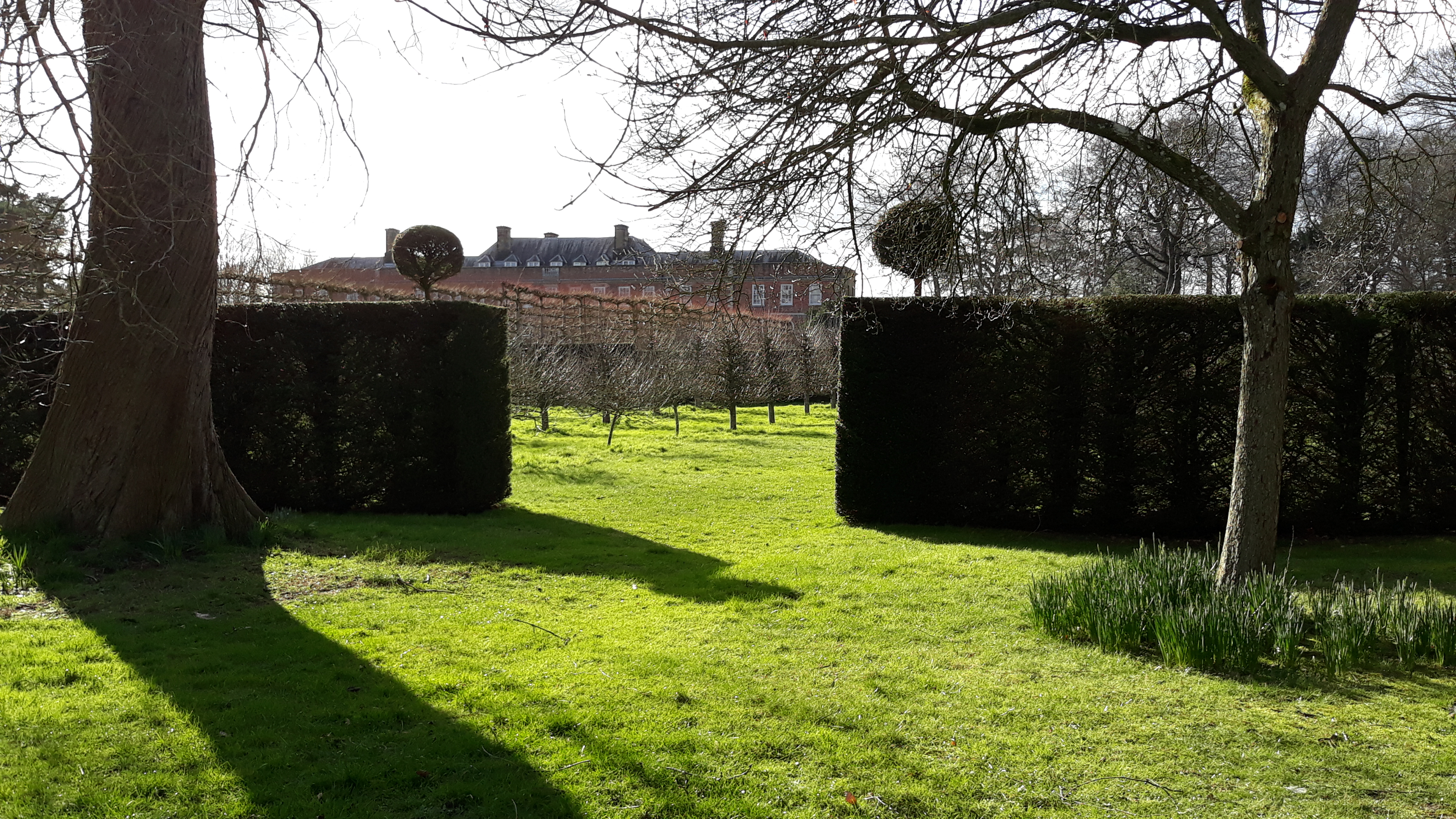 The Erddig Estate: A study in 18th-century restraint.
For those seeking the cool of the evening, the Lemon Tree offers a terrace that feels distinctly Continental, yet the accent remains fiercely local. It is here that one truly understands the Wrexham summer: a blend of global fame and border-town intimacy.
The Best Spring Walks in Chester
How the thaw reveals the Roman ghosts of the Dee.
Chester in the spring behaves like a museum opening its windows. The most essential walk begins at The Groves. As the cherry blossoms mirror the white of the rowing boats on the River Dee, one should follow the path toward the Suspension Bridge. In the spring, the Grosvenor Park becomes a cathedral of daffodils. To walk the full two-mile circuit of the Roman Walls in April is to see the city in its finest dress—the red sandstone glowing against the new green of the Cheshire plains.
 A view from the Northgate: The Roman thaw.
Ending the walk at the Chester Cathedral garden allows for a moment of monastic silence. The spring air here is thin and crisp, carrying the scent of stone and time.
The Best Restaurants in Rossett
A culinary inventory of the border’s most sophisticated village.
Rossett occupies a curious space—a village that sits between two worlds, serving as a culinary bridge between Wrexham and Chester. At the top of the ledger sits The Machine House. Here, the focus is on a brutalist simplicity: local ingredients treated with a reverence usually reserved for religious relics. Their seasonal menu is an exercise in restraint. A short walk away, The Alyn offers a more pastoral experience, with a terrace perched over the rushing waters of the river.
 Dining in Rossett: Where the River Alyn meets the palate.
For those whose tastes lean toward the traditional, the Royal Oak remains a stalwart of the Welsh border. It is a place for long lunches and deeper conversations, where the wine list is as thoughtfully curated as any city-centre lounge. In Rossett, the meal is never just a meal; it is an event.