Wrexham has always been more than people gave it credit for. Long before Ryan Reynolds and Rob McElhenney turned up, this was a city with a medieval church that is one of the Seven Wonders of Wales, one of the grandest National Trust estates in the country, a UNESCO World Heritage Site barely eight miles away, and the oldest international football stadium in the world. The Hollywood chapter just made everyone pay attention — and rightly so. This is a genuinely fascinating place.
Wrexham was granted city status in 2022 as part of the Queen's Platinum Jubilee celebrations — Wales' newest city, and in many ways its most surprising. If you're coming for the football story and staying for everything else, this guide has you covered. And if you haven't heard the football story yet, prepare to fall in love with it.
Why Visit Wrexham?
Ask most people what they know about Wrexham and you'll get one of two answers: football or nothing at all. Both are wrong — or rather, both are too narrow.
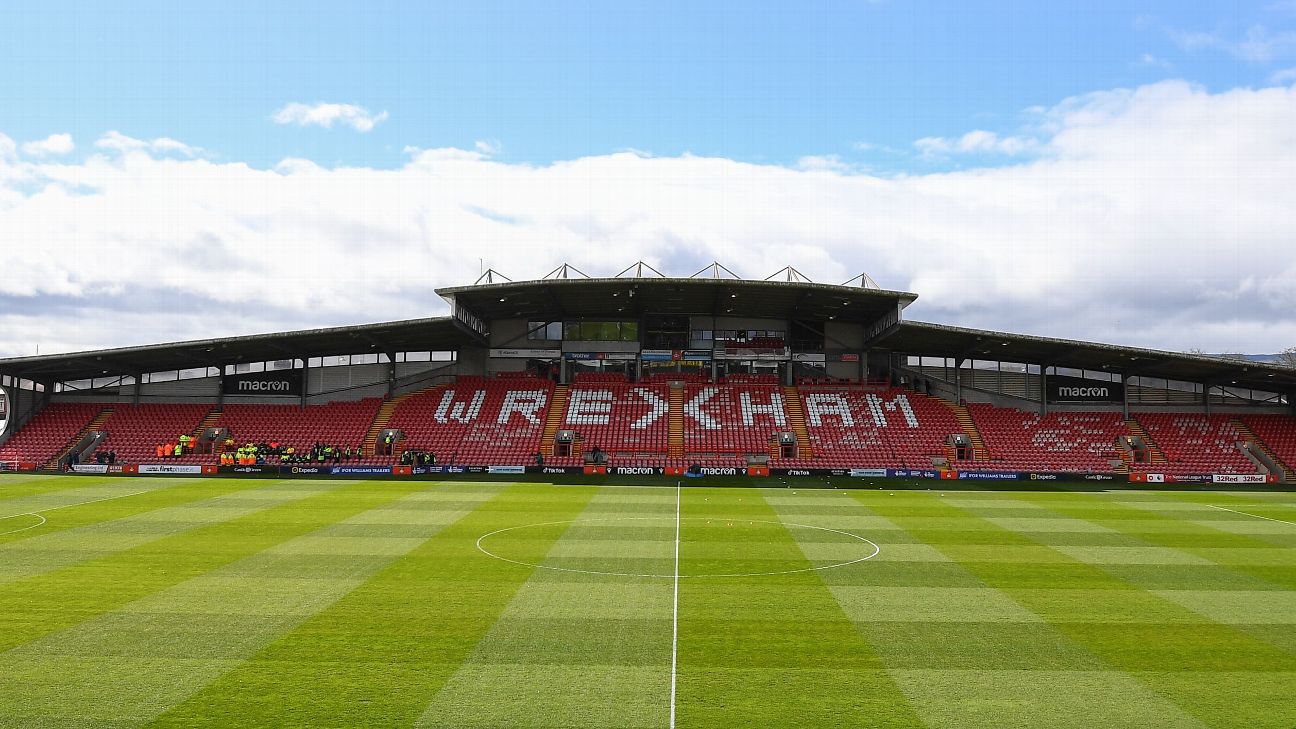
Yes, Wrexham AFC is genuinely extraordinary: the oldest football club in Wales, the third oldest in the world, now owned by two Hollywood A-listers and riding a wave of promotions that has taken them from the National League to the EFL Championship in just a few years. The documentary series Welcome to Wrexham on Disney+ has brought the city global attention. The STōK Cae Ras (Racecourse Ground) — the world's oldest international football stadium still in use — is genuinely worth a pilgrimage even if you've never watched a game in your life.
But step beyond the football and what you find is equally compelling. Erddig is one of the finest country house estates in Wales — an extraordinary National Trust property that gives an unparalleled view of the relationship between a landed family and their servants. Chirk Castle, just twenty minutes south, is a perfectly preserved medieval fortress in active National Trust guardianship. St Giles' Church, standing at the heart of the city centre, is one of the Seven Wonders of Wales and the finest medieval parish church in the country. And the Pontcysyllte Aqueduct — a UNESCO World Heritage Site just eight miles from the city — is one of the most breathtaking engineering achievements in British history.
- STōK Cae Ras (The Racecourse Ground) — the world's oldest international football stadium, now the centre of the Welcome to Wrexham story
- St Giles' Church — one of the Seven Wonders of Wales, with a 135-foot medieval tower visible across the whole city
- Erddig Hall & Estate — a magnificent National Trust property with extraordinary house, servant quarters, and formal gardens
- Chirk Castle — a 700-year-old medieval castle with sweeping Welsh Marches views and glorious gardens
- Pontcysyllte Aqueduct — Thomas Telford's soaring 1805 canal aqueduct, a UNESCO World Heritage Site, 8 miles from Wrexham
- Bangor on Dee Racecourse — a gloriously characterful rural jump racecourse set in the Dee Valley countryside
- Tŷ Pawb — a vibrant arts and food market in the heart of the city, one of Wales' best cultural spaces
- Minera Country Park — dramatic industrial heritage trails, waterfalls, and woodland on the city's western edge
Add to this a city that is actively regenerating, a food and drink scene that punches well above its weight, and genuine warmth from locals who are proud — often fiercely so — of where they live. Wrexham is a city finding its moment, and this is an excellent time to visit.
🏴 Newly a City
Wrexham officially became a city on 1 June 2022, as part of the Queen's Platinum Jubilee City Status competition — making it Wales' newest city. It had previously been the largest town in Wales without city status, a situation that always felt slightly absurd given its history and significance.

A History of Wrexham: From Market Town to Modern City
Wrexham's story is one of the most varied and layered of any Welsh settlement. It sits at the intersection of Wales and England — geographically, culturally, and historically — and that border position has shaped everything about the city: its character, its identity, its industries, and its extraordinary football heritage.
Market Town on the Welsh Marches
Wrexham grew as a market town on the Welsh Marches — the contested borderlands between the Welsh kingdoms and English-controlled territory. Its position made it a significant commercial centre, and the town grew prosperous on the trade of cattle, wool, and leather. The great church of St Giles — begun in the 14th century and substantially rebuilt in the 15th — was a statement of civic ambition and wealth, its magnificent tower visible for miles across the surrounding countryside and listed among the Seven Wonders of Wales. The tower, completed around 1520, remains one of the finest examples of late Perpendicular Gothic architecture in Britain.
Gentry Estates & Industrial Beginnings
The 17th and 18th centuries saw great estates established around Wrexham by the Welsh and English gentry. Erddig Hall — built in the 1680s and substantially remodelled in the early 18th century — became one of the finest country houses in North Wales, renowned not just for its architecture and gardens but for an extraordinary relationship between the Yorke family and their servants, documented in paintings, verse, and photographs across three centuries. Meanwhile, the Wrexham area began to industrialise: coal mining, iron working, and brick manufacture were all expanding by the mid-18th century.
The Industrial Heartland
The early 19th century transformed Wrexham and its surrounding area dramatically. Thomas Telford's Pontcysyllte Aqueduct, completed in 1805, was one of the engineering wonders of the age — a 307-metre iron trough carrying the Llangollen Canal across the River Dee at a height of 38 metres. It was the highest navigable aqueduct in Britain and remains a UNESCO World Heritage Site. At the same time, the north-east Wales coalfield was expanding rapidly, bringing thousands of workers to the area and making Wrexham a significant industrial town. And in a Wrexham pub in 1864, Wrexham AFC was founded — the oldest football club in Wales, and the third oldest in the world.
The World's First International Football Fixture
On 5 March 1877, Wales played their first home international football match at the Racecourse Ground against Scotland. Wales lost 2–0, but the game made history: the Racecourse Ground became the oldest international football stadium in the world still hosting matches — a record it holds to this day, recognised by Guinness World Records. The stadium has hosted more Wales internationals than any other venue.
From Industry to Resilience
The 20th century brought the decline of the north-east Wales coalfield and heavy industry, and Wrexham — like many post-industrial British towns — faced significant economic challenges. But the city retained its identity and community spirit through the difficult decades. The football club — with its famous Kop, its FA Cup giant-killing runs, and its periods of genuine glory — was always the beating heart of civic pride. The town grew, diversified, and remained the major commercial centre of north-east Wales throughout.
The Hollywood Chapter & City Status
In February 2021, Hollywood actors Ryan Reynolds and Rob McElhenney completed their purchase of Wrexham AFC. The Welcome to Wrexham documentary series on Disney+ followed the club's story and introduced the city to a global audience that had never previously heard of it. What followed has been remarkable: promotion from the National League to the EFL Championship in just three seasons, a stadium redevelopment programme, and a transformation of Wrexham's international profile. In June 2022, Wrexham was granted city status. The city's moment had arrived.
📚 Read More About Wrexham's History
The story of Wrexham — from medieval market town to Hollywood-owned city — is richer than most people realise. For anyone wanting to dig deeper before or after a visit, we recommend picking up a dedicated Wrexham or north-east Wales history book. Browse recommended Wrexham and Welsh history books on Amazon →
Top Things To Do in Wrexham
Wrexham's attractions range from world-record football heritage to some of the finest medieval architecture in Wales, one of the grandest National Trust properties in the country, and countryside within a few miles that encompasses a UNESCO World Heritage Site and a gloriously rural jump racecourse. Here's what not to miss.
1. STōK Cae Ras — The Racecourse Ground
The Racecourse Ground — officially the STōK Cae Ras — is Wrexham's most famous attraction, and it deserves every syllable of that fame. Founded in 1807 (originally for cricket and horse racing) and the home of Wrexham AFC since the club was formed at the nearby Turf Hotel in 1864, it is the world's oldest international football stadium still in continuous use, a fact confirmed by Guinness World Records.
Its record attendance was 34,445 for an FA Cup tie against Manchester United in January 1957. Wales played their first ever home international match here in 1877. And since Ryan Reynolds and Rob McElhenney took ownership in 2021, it has become one of the most visited and photographed football stadiums in Britain — a pilgrimage site for fans of the Welcome to Wrexham documentary and football history enthusiasts alike.
You can take a stadium tour to see the dressing rooms, the tunnel, and the pitchside, or simply visit on a matchday and experience the atmosphere for yourself — the Wrexham crowd is passionate, welcoming, and genuinely wonderful. The nearby Turf Hotel (where the club was founded) is another essential stop.
⚽ Match Day at Cae Ras
Watching a Wrexham AFC home game is one of the best football experiences in Britain right now. The atmosphere is electric, the story is extraordinary, and the club's rapid rise through the divisions has made every home game feel like an event. Check fixtures and book tickets at wrexhamafc.co.uk well in advance — popular games sell out quickly.
2. St Giles' Church — One of the Seven Wonders of Wales
St Giles' Parish Church stands at the very heart of Wrexham city centre and has done since the 14th century. Its soaring tower — completed around 1520 and reaching 135 feet — is one of the finest examples of Perpendicular Gothic architecture in Britain and one of the Seven Wonders of Wales (a list composed by an 18th-century traveller that remains a useful guide to the region's remarkable heritage sites).
Inside, the church is full of remarkable things: beautiful stained glass, medieval tombs, and — most unexpectedly — the burial place of Elihu Yale, the American-born merchant who gave his name to Yale University. Yale was born in Boston to a Welsh family and spent his final years in the Wrexham area; his grave is in the churchyard, where it has become something of a pilgrimage destination for American visitors. The church is free to enter, and tower tours run on the last Saturday of each month between April and September — the views from the top are exceptional.
3. Erddig Hall & Estate — National Trust Gem
Erddig is one of the most extraordinary country house properties in Wales, and it's just a mile and a half south of Wrexham city centre. Built in the late 17th century and substantially remodelled in the early 18th, Erddig is remarkable not just for its beautifully preserved state apartments and formal walled gardens, but for something genuinely unique: the Yorke family who owned it for nearly 250 years kept meticulous records of their servants — paintings, poems, and photographs spanning three centuries — giving visitors an unparalleled window into the lives of the people who made such houses function.
The estate includes formal gardens (among the finest in Wales), a working sawmill, laundry, bakehouse, and smithy — all in remarkable preservation. The Clywedog Trail, a waymarked 9-mile walking route, passes through the Erddig estate and continues along the river through beautiful woodland to Minera, passing waterfalls, old mills, and dramatic industrial heritage. If you're visiting Wrexham on a fine day, combining Erddig with part of the Clywedog Trail is one of the best possible ways to spend it.
4. Chirk Castle — Medieval Fortress on the Border
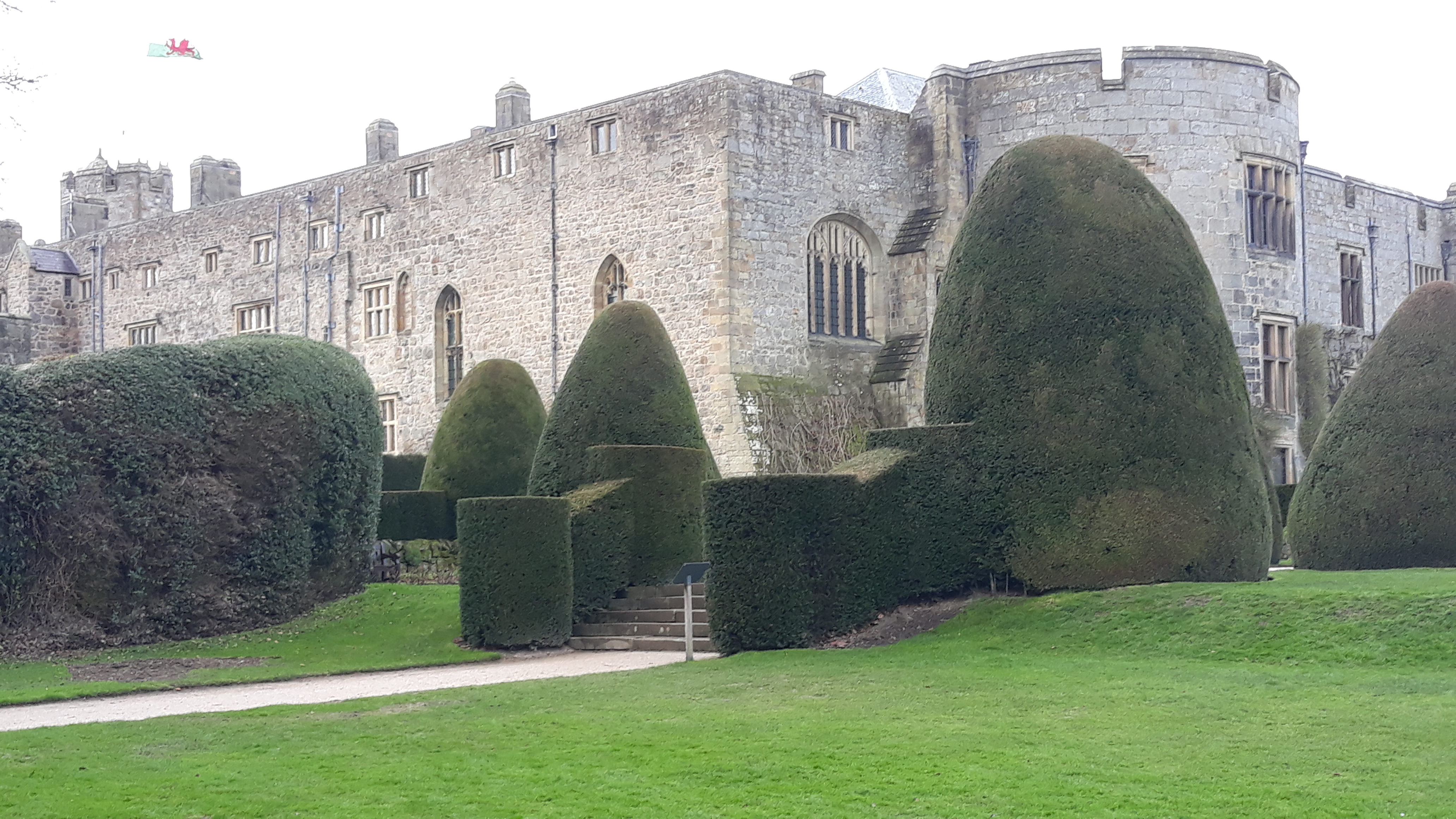
Twenty minutes south of Wrexham (and technically just over the border into the historic county of Denbighshire), Chirk Castle is one of the finest medieval castles in Wales. Built between 1295 and 1310 as part of Edward I's ring of iron fortresses designed to control the Welsh, it is the only one of those Edwardian castles to have been continuously inhabited from its construction to the present day — and that continuous occupation means it is neither a ruin nor a period recreation, but a genuinely lived-in castle whose interiors reflect seven centuries of changing tastes and lifestyles.
The National Trust-managed property has spectacular grounds — formal terraced gardens, a magnificent ha-ha, and sweeping parkland with views across the Ceiriog Valley towards the Welsh hills. The elaborate ornamental wrought-iron entrance gates, crafted in the early 18th century, are among the finest ironwork in Britain. The dungeons are suitably atmospheric. Budget at least two hours; the combination of castle interior and gardens makes it genuinely worth a full half-day.
5. Bangor on Dee Racecourse
Bangor on Dee is a genuinely charming National Hunt (jump) racecourse set in a bend of the River Dee, about 8 miles south of Wrexham in the most gloriously pastoral setting imaginable. The racecourse has been hosting jump racing here since the 1850s and retains the kind of relaxed, friendly, countryside atmosphere that larger commercial racecourses have long since lost.
Race days at Bangor on Dee are wonderfully sociable affairs — the racing is competitive, the facilities are relaxed, and the backdrop of the Dee Valley and the distant Welsh hills makes for one of the prettiest settings in British racing. If you're visiting the Wrexham area on a race day, this is unmissable. Check the fixtures at bangononline.co.uk — the season runs from autumn through to spring.
6. Tŷ Pawb — Arts, Food & Community
Tŷ Pawb — Welsh for "everybody's house" — opened in 2018 in Wrexham's former indoor market building and has become one of the most exciting cultural spaces in north-east Wales. Inside you'll find a food court with diverse independent traders, a makers' market with local artists and craftspeople, gallery spaces hosting touring exhibitions and local shows, performance spaces, and a bar. The whole thing has an open, industrial feel with a genuinely community-first spirit that makes it a pleasure to spend time in. Don't miss it on any visit to the city centre.
7. Pontcysyllte Aqueduct — UNESCO World Heritage Site
The Pontcysyllte Aqueduct, eight miles west of Wrexham near Llangollen, is one of the most extraordinary engineering achievements in British history. Completed in 1805 by Thomas Telford and William Jessop, it carries the Llangollen Canal across the River Dee in a cast-iron trough 307 metres long and 38 metres above the valley floor. Walking across it — with the canal on your right and a sheer 38-metre drop to the river on your left, protected by nothing but a low iron railing — is a uniquely vertiginous experience. Taking a narrowboat across is even more extraordinary.
The aqueduct forms part of the Pontcysyllte Aqueduct and Canal World Heritage Site, designated by UNESCO in 2009 as "a masterpiece of creative genius." The Visitor Centre at Trevor explains the history beautifully. Boat trips depart regularly in season. It's one of the single most impressive things you can visit in all of Wales.
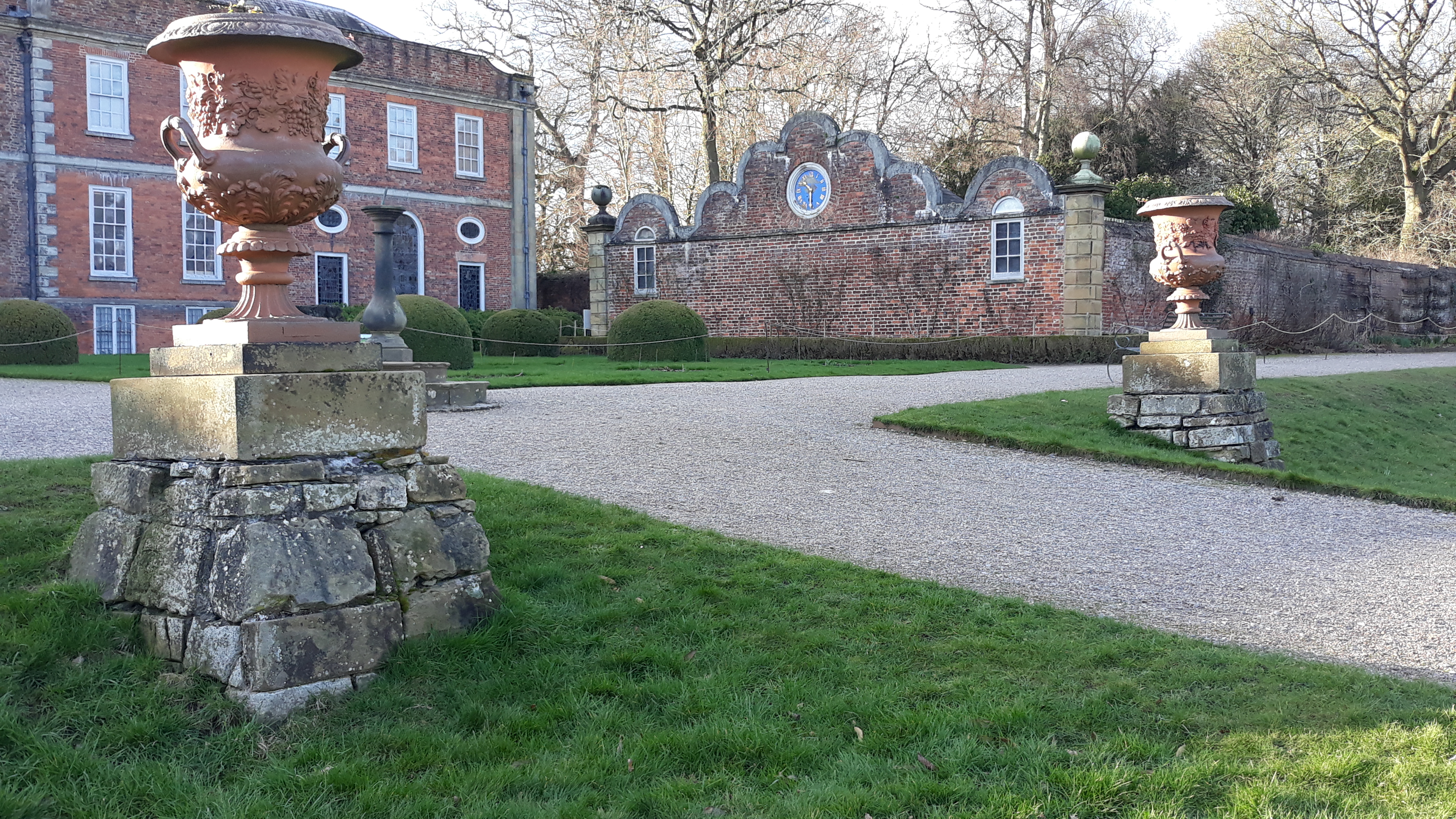

Three of Wrexham's unmissable experiences: Erddig's formal gardens, the medieval magnificence of Chirk Castle, and the Dee Valley countryside
Day Trips from Wrexham
Wrexham's position makes it an exceptional base for wider exploration. Chester is just 25 minutes east — see our full Chester Ultimate Guide for everything you need. The Llangollen area (30 minutes) combines the Pontcysyllte Aqueduct with the remarkable Valle Crucis Abbey, Dinas Brân castle, and the Horseshoe Pass. The Borderlands villages of Glyn Ceiriog, Chirk, and Marford are all beautiful and easy to reach by car.

Best Tours of Wrexham
Wrexham's most compelling stories — the football heritage, the Hollywood takeover, the medieval history, the industrial past — are all dramatically enriched by a good guide. Whether you want the official Welcome to Wrexham experience, a walking tour of the city's history, or a trip out to Erddig or the Pontcysyllte, guided tours make a real difference.
Welcome to Wrexham Football & City Tour
The definitive Wrexham experience for fans of the documentary. Led by certified local guides who know the club and city inside-out, this tour covers the Racecourse Ground, the Turf Hotel, filming locations from the series, and the story of the Hollywood takeover. Completely customisable and utterly unmissable.
Book on Klook →Erddig Hall & Dee Valley Tour
A guided exploration of the Erddig estate — the 17th-century house, servant quarters, formal gardens, and walled kitchen garden — combined with a tour of the wider Dee Valley. An ideal option for those who want to understand Wrexham's extraordinary country house heritage with expert context.
Book on Klook →Pontcysyllte Aqueduct Boat Trip
Cross the world-famous Pontcysyllte Aqueduct by narrowboat — one of the most memorable experiences in all of Wales. Glide 38 metres above the River Dee on Thomas Telford's 1805 masterpiece. An extraordinary perspective on an extraordinary structure, and a story you'll tell for years.
Book on Klook →Chirk Castle & Borderlands Tour
A guided tour of Chirk Castle — the perfectly preserved Edwardian fortress just south of Wrexham — combined with an exploration of the wider Welsh Marches and Borderlands countryside. Covers the castle's medieval origins, its remarkable unbroken occupation, and its extraordinary gardens.
Book on Klook →Klook lists a wide range of Wrexham and North Wales experiences — from Welcome to Wrexham tours to Pontcysyllte boat trips and beyond. Most include free cancellation.
⚽ Matchday Demand
Tours and accommodation in Wrexham fill extremely quickly on Wrexham AFC matchdays — especially since promotion to the Championship brought larger crowds and greater media attention. If your visit coincides with a home fixture, book everything well in advance. Matchday Wrexham is a genuinely special experience, but it requires planning.
Where to Stay in Wrexham
Wrexham's accommodation has expanded significantly in recent years as the city's profile has grown. From smart city-centre hotels to characterful country house options in the surrounding Borderlands, there are excellent choices at every budget. Our top recommendation: stay in or very close to the city centre so you can walk to the stadium, the restaurants, and the city's growing nightlife.
You can browse and book the full range of Wrexham accommodation through our partner Klook.
Hotel Wrexham is the city's flagship modern hotel — contemporary, comfortable, and well-positioned for both the stadium and the city centre attractions. The rooms are well-appointed and the on-site bar and restaurant make it a straightforward, quality base for a Wrexham visit. This is the go-to choice for visitors who want reliable, smart comfort without any fuss.
The location is particularly useful for match days: you can walk to the STōK Cae Ras without needing a taxi, and the city's best pubs and restaurants are equally accessible on foot. If you're here for the football experience above all else, this is your natural home.
Check Availability →The Ramada is part of the Wyndham hotel group and offers reliable, consistent quality for visitors who want the reassurance of a known brand. The property has parking — useful if you're driving in from further afield — and is well-located for both the city centre and onward travel into North Wales or across to Chester.
The rooms are comfortable and the facilities solid. It's a particularly good option for business travellers or those visiting for events at the stadium or the wider area, where you want dependable comfort without the unpredictability of a more characterful independent property. A sensible, hassle-free choice.
Check Availability →The Lemon Tree is one of Wrexham's most beloved independent establishments — combining a well-regarded restaurant with comfortable accommodation in a friendly, independently-run setting. It's the kind of place where the staff remember your name and the food is genuinely cooked with care, rather than produced by a central commissary somewhere in the Midlands.
Guests rave about the personal service and the quality of the meals. If you want to eat well and sleep in genuine Wrexham character rather than a chain hotel room, The Lemon Tree delivers exactly that. A superb choice for couples or those who value the personal touch.
Check Availability →The Wynstay Arms is a Wrexham institution — a classic town centre inn with real history and genuine character. Named after the Wynnstay estate (one of the great Welsh landed dynasties), it has been serving travellers and Wrexham locals for generations. The bar is properly traditional — no gimmicks, no themed décor, just good ales, a welcoming atmosphere, and the kind of easy comfort that only a well-established local inn can provide.
The rooms are comfortable and the setting is excellent for exploring the city on foot. For those who want to stay somewhere that feels genuinely Wrexham rather than somewhere that could be anywhere in Britain, the Wynstay Arms delivers something real and unhurried. It's a proper Welsh inn, and proud of it.
Check Availability →Browse the full range of Wrexham hotels, B&Bs, and apartments through Klook — including options near the stadium and in the surrounding Borderlands countryside.

Bangor on Dee Races: Racing in the Dee Valley
If you want to understand why people love this part of Wales so much, spend a race day at Bangor on Dee Racecourse. Set in a glorious loop of the River Dee, eight miles south of Wrexham and surrounded by the hills of the Welsh Marches, it is one of the most atmospheric and characterful National Hunt racecourses in Britain.
Bangor on Dee has been hosting jump racing since the 1850s and has retained the relaxed, pastoral character that many larger racecourses have traded away in pursuit of corporate hospitality. Race days here are sociable, friendly, and genuinely good value — the kind of day out where you end up talking to strangers, backing a 14/1 outsider on a hunch, and losing track of time entirely.
The course is a left-handed circuit of around a mile and a half with a flat run-in. It's particularly popular in the autumn and winter, when the views across the frost-touched Dee Valley are genuinely beautiful. Welsh and English trainers compete here, and it regularly attracts quality horses as a stepping-stone track before bigger races at Cheltenham or Aintree.
🏇 Planning a Race Day
Bangor on Dee's season runs primarily from August to May, with the busiest fixtures in autumn and winter. The course is well-signposted from Wrexham and there is good on-course parking. Booking ahead for enclosure tickets is recommended for popular fixtures. Visit bangononline.co.uk for the full fixtures calendar and ticket information.
Bangor on Dee pairs beautifully with a visit to the wider Dee Valley — the villages of Overton-on-Dee and Bangor-is-y-Coed (the village in which the racecourse actually sits) are charming, and the river scenery in this stretch is particularly beautiful. It's one of those days that feels very specifically Welsh and very specifically good.
How To Get To Wrexham
Wrexham is well-connected — particularly by rail, which remains by far the most convenient option for most visitors.
By Train (Recommended)
Wrexham has two railway stations: Wrexham General (the main station, immediately adjacent to the STōK Cae Ras) and Wrexham Central (the terminus of the Borderlands line to Bidston/Merseyrail). For most visitors, Wrexham General is the correct station. Direct services run from:
- Chester — approximately 25 minutes, frequent direct service
- Shrewsbury — approximately 45 minutes, direct service
- Birmingham New Street — approximately 1 hour 30 minutes (change at Shrewsbury)
- Cardiff Central — approximately 2 hours 30 minutes (change at Shrewsbury)
- Manchester Piccadilly — approximately 75 minutes (change at Chester or Crewe)
- London Euston — approximately 2 hours 15 minutes (change at Chester or Crewe)
By Car
Wrexham is easily accessible by road: the A483 dual carriageway runs directly into the city from Chester to the north and Oswestry to the south. From Manchester, the M56 to Chester and then the A483 is the simplest route. City centre parking is available at several multi-storeys and surface car parks; on match days, arrive early or use the Glyndŵr University car park adjacent to the Racecourse Ground.
By Air
Liverpool John Lennon Airport is approximately 28 miles north of Wrexham — about 40 minutes by car. Manchester Airport is around 45 miles east and offers the widest range of international connections. Both are well-served by public transport links to Chester, from where Wrexham is a short onward train journey.
🚆 The Train Is Your Friend
If you're coming from Chester, the train is the obvious choice — 25 minutes, no parking stress, and Wrexham General station deposits you virtually at the stadium gates. On match days especially, the train from Chester runs frequently and is heavily used by visiting supporters making the short cross-border journey.
Practical Tips for Visiting Wrexham
Best Time to Visit
Wrexham is a year-round destination, but different seasons offer different highlights. Late spring and summer (May–September) are best for Erddig's gardens and the Pontcysyllte Aqueduct boat trips, when everything is in full leaf and the canal is busy with narrowboats. Autumn and winter are prime for Bangor on Dee races, when the countryside takes on that golden-brown Welsh quality and the jump racing season is in full swing. May brings the FOCUS Wales music festival — 300+ live sets across the city's venues over four days, one of the best music festivals in Wales.
Wrexham AFC's home season runs from August to May. The Championship fixtures attract the biggest crowds and best atmosphere — check the fixture list and plan accordingly if football is part of your visit.
How Many Days Do You Need?
- 1 day: City centre (St Giles, Tŷ Pawb, Cae Ras), match day or stadium tour, evening in the city
- 2 days: Add Erddig Hall and the Clywedog Trail; evening at a classic Wrexham pub
- 3+ days: Chirk Castle, Pontcysyllte, Bangor on Dee races, plus day trips to Chester, Llangollen, or the Borderlands villages
Free Things to Do in Wrexham
- St Giles' Church city centre — free entry (tower tours from £3)
- Tŷ Pawb galleries — free
- Bellevue Park — Wrexham's fine Victorian public park, free
- Wrexham County Borough Museum — free
- Walking the city centre and its street art — free
- Clywedog Trail (partial sections through Erddig estate) — free
📅 Book Matchday Accommodation Early
Since Wrexham's rise to the Championship, the city fills completely on home matchdays. If you're planning to visit on a match day — and you should — book your hotel months in advance. Prices rise and availability disappears fast. The same applies to popular local restaurants on match evenings.
Getting Around Wrexham
The city centre itself is compact and walkable. The STōK Cae Ras, St Giles, Tŷ Pawb, and most city centre pubs and restaurants are all within comfortable walking distance of Wrexham General station. Erddig is a mile and a half south of the centre — walkable but uphill on the return, so a taxi or bus is reasonable. Chirk Castle, Pontcysyllte, and Bangor on Dee are all best reached by car, though bus services do run to some of these destinations.
Wrexham Itineraries: How To Spend Your Time
One Perfect Day in Wrexham
Morning: Start at St Giles' Church — spend 30 minutes inside, find the Elihu Yale grave in the churchyard, and if it's the last Saturday of the month (April–September) consider the tower tour. Then walk to Tŷ Pawb for coffee and a browse of the market. Head to the STōK Cae Ras to soak up the atmosphere from outside, or take a stadium tour if one is available.
Lunch: The Turf Hotel — the pub where Wrexham AFC was founded in 1864, adjacent to the stadium. The most historically charged pint you'll have all year.
Afternoon: Take a taxi or 20-minute walk to Erddig — allow 2 hours for the house and gardens. Return to the city centre for the early evening.
Evening: Dinner at The Lemon Tree or explore the city's independent restaurant scene, followed by a drink at the Wynstay Arms. If there's a home match, your entire afternoon and evening is already planned — forget Erddig and just go to the game.
Two Days in Wrexham
Day one as above. On day two, head south to Chirk Castle (allow 2–3 hours) and then continue to the Pontcysyllte Aqueduct for a boat trip or the walk across the top. Return through the Dee Valley via Bangor on Dee village for a late afternoon drink by the river. Back to Wrexham for dinner.
🗺 Explore the Full Borderlands
Wrexham sits at the heart of one of Britain's most fascinating and least-visited border regions. Chester, Llangollen, Oswestry, and the Borderlands villages are all within easy reach. See our full weekend break itineraries for the Borderlands region →
Further Reading on Wrexham
The story of Wrexham — from medieval market town to the unexpected setting of one of football's greatest modern fairy tales — has generated some genuinely excellent writing. Whether you want deep Welsh history, the inside account of the Reynolds and McElhenney takeover, or a guide to the wider north-east Wales landscape, there is excellent reading to be found.
Wrexham & North Wales History Books — Browse on Amazon
From the history of Wrexham AFC and the Hollywood takeover to the story of Erddig, the Pontcysyllte Aqueduct, and the Welsh Marches — browse our recommended reading list for Wrexham and north-east Wales.
Browse on Amazon →For more on Wrexham, Chester, and the wider Borderlands, explore the rest of our guides at Deva & The Dragon:
- Wrexham AFC Match Day Guide
- Erddig Hall — Complete Visitor Guide
- Chirk Castle — Complete Visitor Guide
- Guided Tours of the Borderlands
- Where to Stay in Wrexham & Chester
- Glyn Ceiriog & the Ceiriog Valley
- Best Villages Near Wrexham & Chester
- FOCUS Wales Music Festival Guide
- Ultimate Guide to Visiting Chester